
Varadero
Cuba's most famous beach resort area, on a long peninsula of white sand on the northern coast.
Varadero is Cuba's best-known beach destination — a slender peninsula of fine white sand and clear turquoise water stretching some 20 kilometers along the island's northern coast, on the Hicacos Peninsula east of Havana.
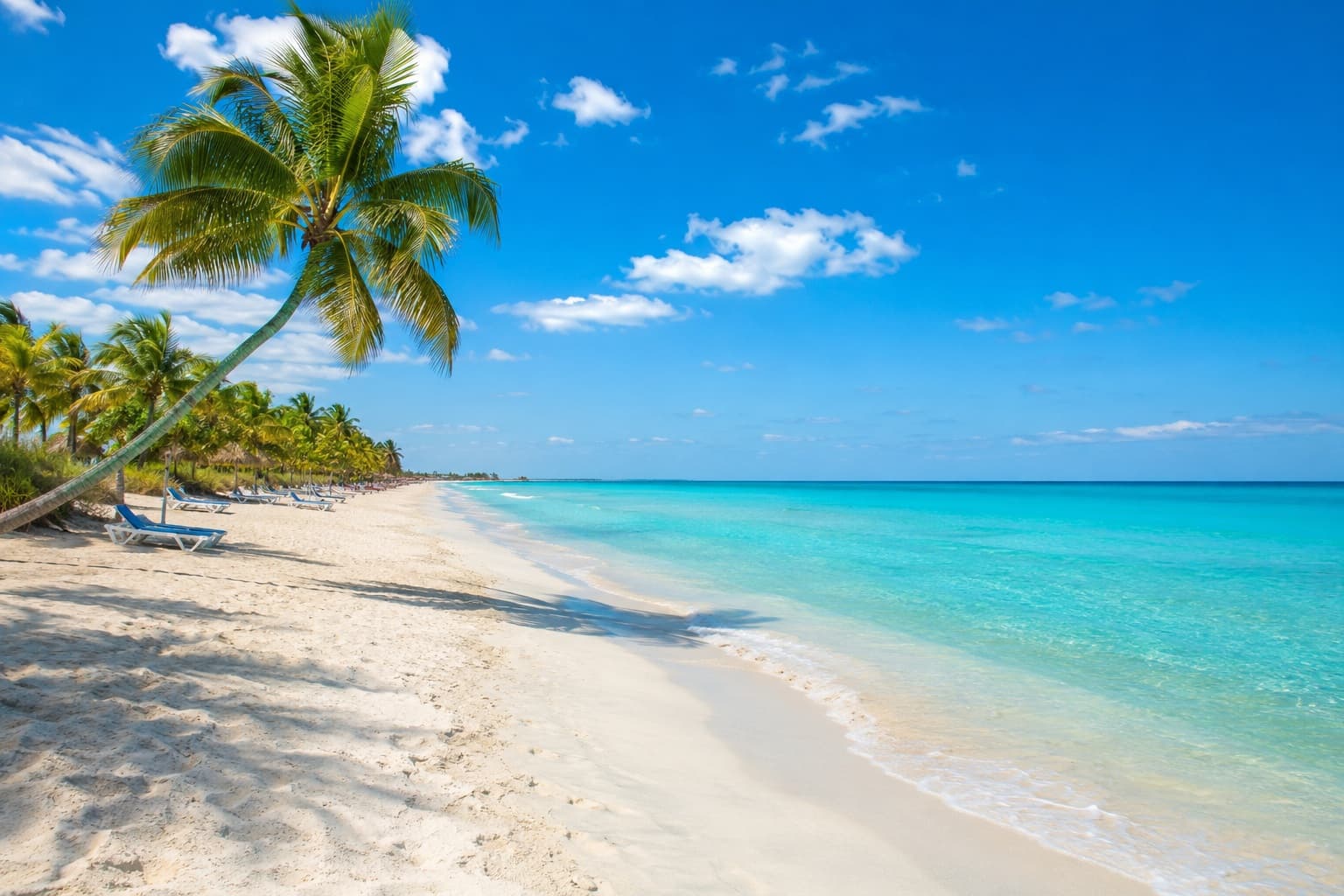
It has drawn international visitors for nearly a century. In the early 20th century the American millionaire Irénée du Pont built an estate here, and the area developed into an elite getaway. After 1959 it was reconfigured as a hub of state-run mass tourism, and today it is lined with all-inclusive resorts catering largely to Canadian and European travelers.
Varadero is one of the most important sources of hard currency for the Cuban state. The tourism economy it anchors brings in foreign exchange that the government depends on, while many of the workers who staff its hotels travel in from other towns.
That arrangement highlights a contrast many observers describe: the abundance within tourist enclaves like Varadero — buffets, pools, and reliable electricity — set against the shortages and blackouts that ordinary Cubans face elsewhere on the island. For years, Cubans were even restricted from the resort zones that catered to foreigners.
Beyond the resorts, the peninsula offers caves, a protected ecological reserve, and coral reefs offshore. But for many, Varadero's deeper significance lies in what it reveals about Cuba's dual economy and the gap between the island marketed to visitors and the one its people live in.