
Guantánamo
A Cuban province and bay best known internationally for the U.S. naval base and detention facility.
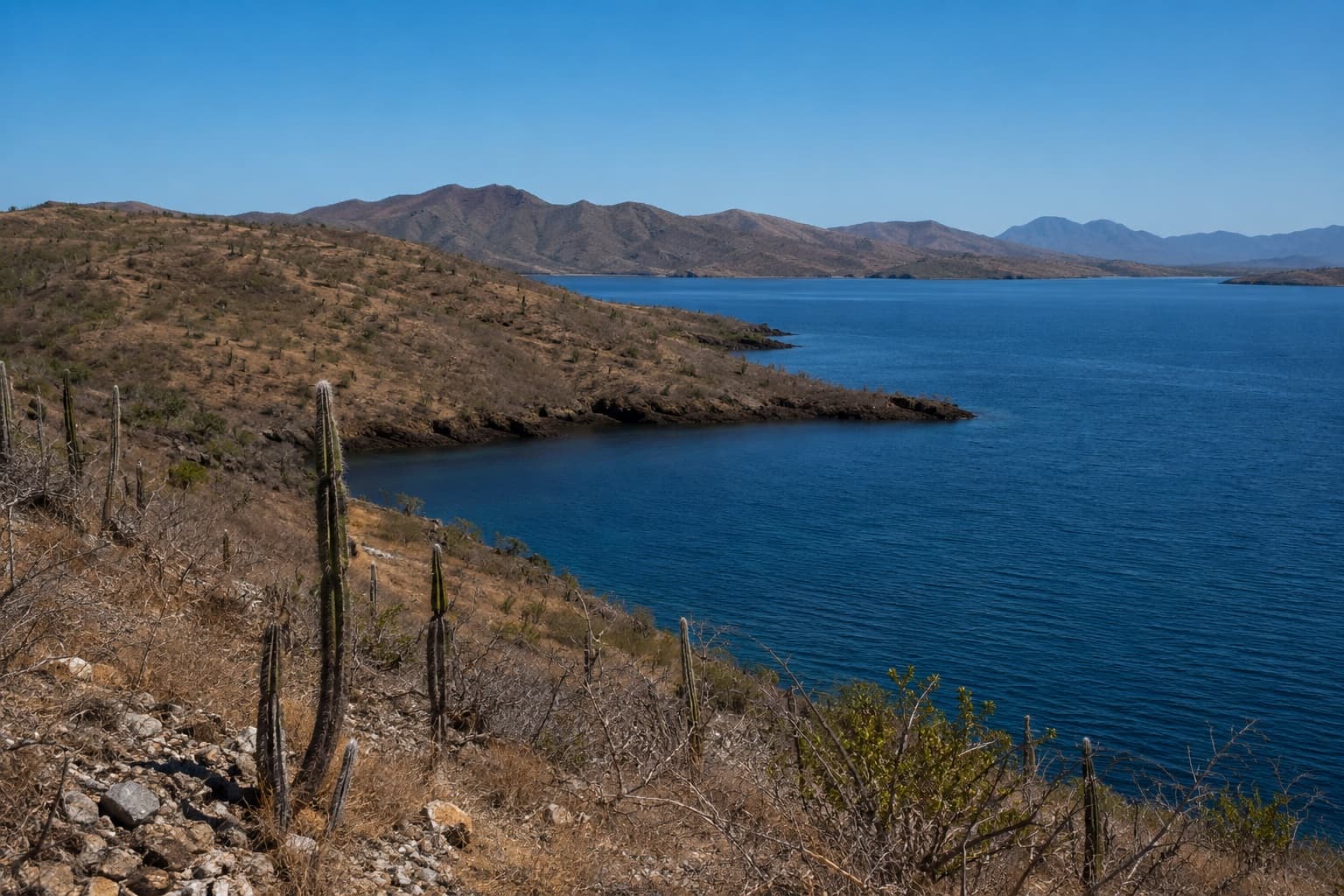
Guantánamo is a province and bay at the southeastern end of Cuba, a region of dry hills, cactus, and a hot, arid climate quite unlike the lush image many associate with the island.
Internationally, the name is inseparable from the U.S. Naval Station at Guantánamo Bay. The United States has occupied the site since 1903, under a lease imposed through the Platt Amendment that gave Washington broad rights over Cuban affairs. The Cuban government considers the occupation illegitimate and refuses to cash the lease payments, while the U.S. maintains the base over Havana's objections.
Since 2002, the base has housed the detention facility established after the September 11 attacks, where detainees have been held — many for years without trial — making “Guantánamo” a byword in global debates over human rights, due process, and the conduct of the war on terror.
For Cubans, however, Guantánamo is far more than the base. It is a province with its own culture, history, and people. Its mix of Afro-Cuban, Haitian, and Jamaican influences gives the region a distinctive musical heritage, including the changüí, a rural ancestor of son.
The region also lends its name to one of the most famous songs in the world: “Guantanamera,” whose lyrics were adapted from the Versos Sencillos of José Martí. A song of love for homeland and the simple dignity of ordinary people, it has become an unofficial anthem of Cuban identity far from any military base.