
José Martí
1853–1895
Poet, journalist, and national hero of Cuban independence
José Martí is Cuba's most revered national hero: a poet, essayist, journalist, and organizer of the struggle for independence from Spain, killed in battle in 1895 before independence was won.
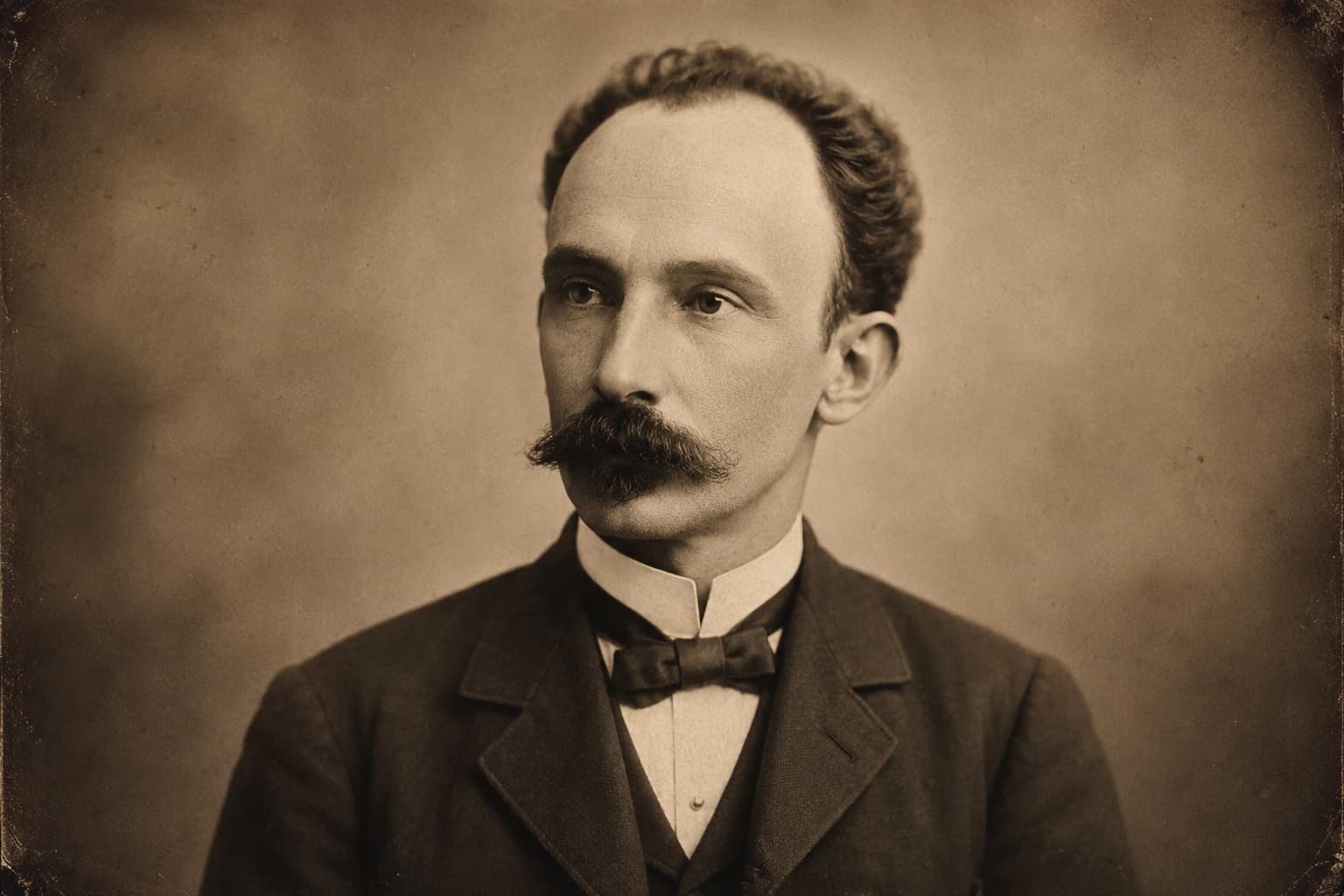
His writings on freedom, justice, and Cuban identity are claimed across the political spectrum — by the government, by exiles, and by ordinary Cubans alike. His verses inspired the song “Guantanamera.”
Martí warned against tyranny in every form and dreamed of a republic “with all and for the good of all” — a vision betrayed by the regime that later seized his words while jailing those who quoted them in protest. He spent years in exile himself, organizing from abroad, and understood that love of Cuba and resistance to oppression often had to be carried in the hearts of those forced to leave.
For the exile community, Martí is proof that the true spirit of Cuba was never the property of any dictatorship. His longing for a free homeland is the same longing carried across the water by every family driven out.
Martí's legacy is a reminder that Cuban identity and the longing for freedom run far deeper than any single government.