
Carlos Manuel de Céspedes
1819–1874
Planter who launched Cuba's first war of independence
Carlos Manuel de Céspedes was a wealthy planter in eastern Cuba who, on October 10, 1868, freed his slaves and called them to join him in rebellion against Spanish colonial rule — an act that began the Ten Years' War and earned him the title “Padre de la Patria,” Father of the Homeland.
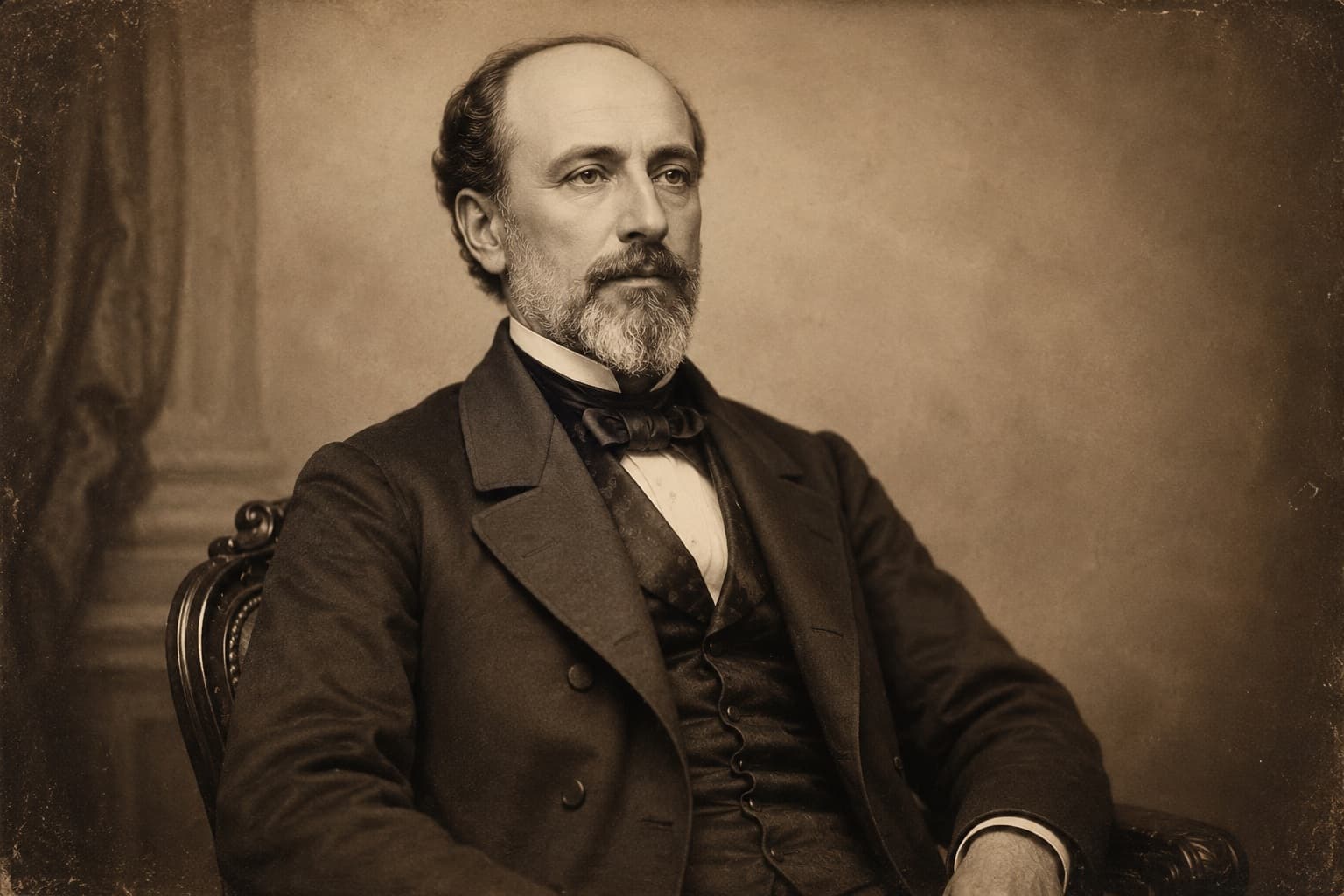
He served as the first president of the Republic of Cuba in Arms and is credited with the “Grito de Yara,” the cry that launched Cuba's long struggle for independence. He was killed by Spanish forces in 1874 after being removed from leadership.
His sacrifice ran deep: when the Spanish captured his son Oscar, they offered to spare the boy's life if Céspedes would halt the rebellion. He refused, answering that Oscar was not his only son — he was the father of all Cubans who had died for freedom. His son was executed.
That refusal to bow before tyranny, even at the cost of his own family, is the founding example of Cuban patriotism — the same unbroken spirit later carried by those who lost everything resisting a different dictatorship. Céspedes stands at the very origin of the Cuban independence movement, a reminder that the desire for a free Cuba predates the 20th century by generations.